A smart thermostat is the rare smart home device that can pay for itself. It runs around the clock, controls your biggest energy load, and quietly fixes the habits that waste money, like heating an empty house. However, the category is full of traps for the unprepared, since compatibility with your heating system matters more than any app feature. In this guide, we compare the best smart thermostats of 2026 across comfort, compatibility, and real savings. We also explain the wiring questions that decide which model belongs on your wall.
How We Chose the Best Smart Thermostats
Thermostats live on your wall for a decade, so we weighed six factors above the glossy features:
- HVAC compatibility. Heat pumps, multi-stage systems, and line-voltage heaters each need specific support. Check this before anything else.
- C-wire needs. Most smart thermostats draw power from a common wire. Some homes lack one, and a few models work around it.
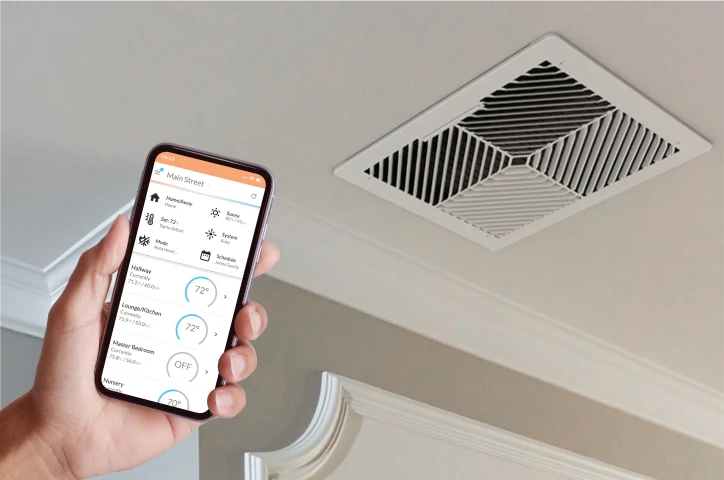
- Room sensors. A thermostat in the hallway reads the hallway, not the nursery. Sensors fix that gap, and brands differ sharply here.
- Learning vs. schedules. Some models build schedules automatically. Others follow the routines you set, which suits irregular lives better.
- Ecosystem and voice. Alexa, Google, and Apple support varies, and your assistant should control the thermostat without friction.
- Energy tools. Reports and eco modes turn savings from theory into something you can see in the app.
ecobee: The Sensor-First Choice
ecobee built its reputation on room sensors, and that focus still defines the brand. Its thermostats balance temperatures across the rooms you actually use, rather than guessing from the hallway.
- Room sensors as the core idea. Add sensors to bedrooms and offices, and the system heats and cools for the rooms that matter.
- Occupancy-aware comfort. Sensors detect when rooms are empty, which feeds the eco modes and trims waste automatically.
- Broad ecosystem support. Alexa is built into premium models, and HomeKit and Matter support cover Apple households.
- No-C-wire solution. ecobee ships a power extender kit that solves many homes without a common wire.
Where ecobee asks for more in return:
- Premium pricing. ecobee costs more than rivals, and extra sensors add up.
- Busy app. The app is powerful but denser than Nest’s or Amazon’s.
Best for: households with uneven temperatures and families who want whole-home comfort, not just hallway comfort.
Google Nest: The Learning Option
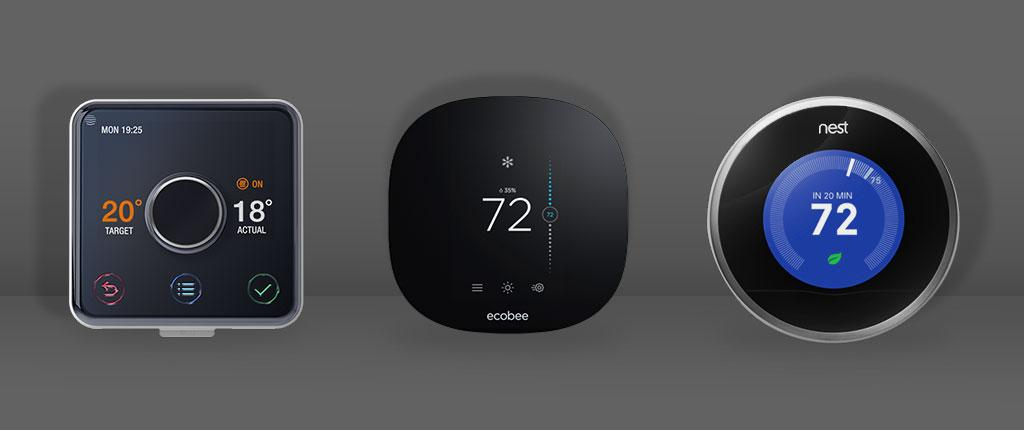
Nest thermostats from the Google Store made smart thermostats famous, and the line still leads with automatic schedules. The Learning Thermostat builds routines from your habits, while the newer entry model offers remote control at a lower price.
- Self-learning schedules. Nest watches your pattern and programs itself, which suits consistent routines.
- Works without a C-wire in many homes. Nest’s power-stealing design handles installations where other brands cannot.
- Polished Google Home integration. Voice control, presence detection, and the app all feel cohesive in Google households.
- Energy history in the app. Monthly reports and the leaf icon nudge habits without nagging.
Where Nest asks for more in return:
- Single-room sensor focus. Nest’s optional sensor prioritizes one room rather than balancing several, which is less flexible than ecobee’s approach.
- Google-centric. Apple Home support is absent, and the best experience assumes a Google ecosystem.
Best for: Google households and owners with consistent schedules who want a thermostat that programs itself.
Honeywell Home: Deep HVAC Compatibility
Honeywell Home comes from the company that made thermostats for generations, and its smart line carries that engineering depth. If your heating system is unusual, Honeywell usually has a model that speaks its language.
- Broad model range. From simple Wi-Fi thermostats to full smart models, the catalog covers nearly every HVAC configuration.
- Heat pump and multi-stage support. Complicated systems find compatible Honeywell models more easily than with most brands.
- HomeKit options. Several models support Apple Home, which matters for iOS households.
- Proven hardware. Decades of thermostat manufacturing show in reliability and installation documentation.
Where Honeywell Home asks for more in return:
- Fragmented app story. The Honeywell Home app is transitioning to the Resideo app, and the branding can confuse buyers.
- Less personality. Features are capable rather than delightful, with fewer smart-home flourishes than rivals.
Best for: owners with heat pumps, multi-stage, or older systems who want proven compatibility over flash.
Amazon Smart Thermostat: The Alexa Budget Pick
Amazon’s thermostat, built with Honeywell, keeps the price low and the focus tight. It targets Alexa households that want remote control and schedules without paying premium prices.
- Aggressive pricing. The Amazon Smart Thermostat undercuts every major rival while covering the essentials.
- Alexa-first experience. Setup runs through the Alexa app, and voice control and routines work naturally.
- Energy dashboard. Alexa’s energy features show usage trends and offer hunches that adjust the thermostat for you.
Where Amazon asks for more in return:
- Alexa required. There is no meaningful experience outside the Alexa ecosystem, and Apple and Google support are absent.
- Slim features. No room sensors or learning, just solid remote control and schedules.
Best for: Alexa households that want a dependable budget thermostat without ecosystem sprawl.
Side-by-Side Comparison
| ecobee | Google Nest | Honeywell Home | Amazon | |
|---|---|---|---|---|
| Signature feature | Room sensors | Self-learning | HVAC breadth | Low price |
| Sensor support | Multi-room balancing | Single-room focus | Model-dependent | None |
| C-wire workaround | Power extender kit | Power stealing | Varies by model | Check model |
| Ecosystem | Alexa, Apple, Matter | Alexa, Google, Apple | Alexa only | |
| Energy reporting | Detailed | History in app | Basic | Alexa dashboard |
| Best fit | Uneven homes | Google households | Complex HVAC | Alexa budgets |
C-Wire and Compatibility: Check Before You Buy
The common wire, usually labeled C, supplies steady power to the thermostat. Modern systems almost always include it, and older ones often do not. Checking takes two minutes: turn off the furnace, remove the thermostat face, and look at the wire labels. A connected C or B wire usually means any model will work.
If there’s no C wire, the options narrow. ecobee ships a power extender kit that adapts many systems, and some Nest models draw enough power from the existing wiring. Otherwise, a professional may need to run a new wire.
Heating system type matters just as much. Heat pumps, multi-stage furnaces, and systems with auxiliary heat require specific model support, and picking wrong means returns and frustration. Therefore, run the brand’s online compatibility checker with your system details before you buy anything. Most brands also publish installation guides and video walkthroughs, and a careful DIYer can handle a standard swap in under an hour.
Savings: What the Data Really Shows
The savings claims deserve a reality check. ENERGY STAR, which certifies smart thermostats based on field data, puts average savings around 8 percent of heating and cooling bills. That figure varies with climate, energy prices, and, above all, your habits.
A thermostat only saves what the schedule saves. The biggest wins come from holding reasonable temperatures while you’re asleep or away, which any model on this list can do. Therefore, buy for comfort and control, and treat the 8 percent as a realistic expectation rather than a promise.
In practice, the household that adjusts its habits saves more than the household that merely buys a fancier thermostat. The reports and eco modes exist to make those adjustments painless.
Sensors and Room Balancing
A wall thermostat reads the air around it, which is rarely where your family actually is. That flaw matters most in two-story homes and rooms with poor airflow. ecobee’s multi-sensor system averages or prioritizes readings from occupied rooms, and its sensors double as occupancy detectors for eco mode. Nest’s optional sensor, in contrast, holds one room’s temperature rather than balancing several.
If your home heats unevenly, budget for sensors when comparing prices, since a thermostat without them may not fix the real complaint. Placement matters, too: a sensor in direct sunlight or near a vent reads fiction, so mount sensors away from both.
The Features People Actually Use
Feature lists impress less than daily reality. These are the habits that stick:
- Away schedules. The thermostat eases back when the house empties, which delivers most of the savings.
- Phone geofencing. Arrive home to comfort without touching the wall, and stop heating an empty house.
- Voice control. Adjusting temperature by voice beats walking to the hallway, which means it actually happens.
- Monthly reports. Seeing usage in the app changes behavior more than any marketing claim.
- Vacation hold. One tap holds the temperature while you travel, and the system remembers to resume.
Like the lighting scenes in our home office guide, thermostat routines work best when they match your actual day rather than an idealized one.
Our Recommendation by Situation
- Uneven temperatures across rooms → ecobee with sensors, for balancing that actually works.
- Google household with steady routines → a Nest model, which learns and integrates cleanly.
- Heat pump, multi-stage, or unusual system → Honeywell Home, for the deepest compatibility.
- Alexa home on a budget → the Amazon Smart Thermostat, which covers the basics for less.
- No C-wire in the wall → ecobee’s power extender kit or a compatible Nest model.
- Renting → ask for written permission first, since you’re modifying the landlord’s HVAC.
Final Thoughts
The best smart thermostats in 2026 reward a five-minute compatibility check before any feature comparison. Confirm the C-wire and the heating system type, and decide whether you need room sensors. Then choose among ecobee, Nest, Honeywell Home, and Amazon with your ecosystem in mind. Whichever you pick, the real payoff comes from the schedule you set and keep. Do that, and the thermostat becomes the rare gadget that earns back its price while quietly making the house more comfortable.
Once the thermostat tracks the big HVAC picture, curiosity about the rest usually follows. Smart plugs with energy monitoring reveal what the other devices draw. See our smart plugs explained guide to start measuring.