Camera marketing loves this promise: buy our device, and your home insurance premium drops. It sounds like the perfect deal, since security gear that pays for itself is rare. In reality, the answer is more nuanced than the ads suggest. The honest answer to do smart cameras lower your home insurance premium is: sometimes, for some devices. It is almost never as much as the marketing implies. This guide explains how insurers actually treat security cameras, which setups earn discounts, and how to claim whatever you’re owed.
Do Smart Cameras Lower Your Home Insurance Premium? The Short Answer
Yes and no, depending on three things: your insurer, your state, and the type of device you install. Some companies publish explicit discounts for security systems. Others quietly ignore cameras altogether when pricing your policy. Therefore, there is no universal rule, and anyone who promises a fixed discount is simplifying.
What insurers do agree on is the direction of the reward. Professionally monitored alarm systems have earned discounts for decades. Standalone cameras, in contrast, are a newer category, and many insurers still treat them as a nice-to-have rather than a pricing factor. In other words, the more your setup looks like a monitored alarm system, the more likely it is to earn a discount. That distinction shapes everything that follows in this guide.
Why Insurers Care About Security Devices
Insurance is priced on risk, and insurers reward devices that measurably reduce claims. Burglary claims are expensive, and homes with visible security are less attractive targets. That logic is straightforward. However, insurers care about more than deterrence. They also care about what happens after a break-in, since verified claims are cheaper to process.
Cameras help on both fronts. A visible camera deters casual intruders, and recorded footage turns a disputed claim into a straightforward one. Meanwhile, many police departments now ask for video verification before responding to an alarm, which makes cameras genuinely useful to monitored systems.
That said, insurers reward response, not just recording. A camera that stores clips locally is useful to you. A system that alerts a monitoring center, which then verifies and dispatches, is useful to the insurer. As a result, the devices most likely to earn discounts are the ones connected to a response chain, not the ones that simply record.
Data explains the caution. Insurers price hundreds of risks into every policy, from weather to liability, and burglary is only one slice. A camera addresses that slice alone. Therefore, even a perfect camera setup cannot move a premium dominated by other factors. In contrast, devices tied to larger risks often earn more generous rewards. Water leaks and fire produce costlier, more common claims, which is exactly what insurers price.
Which Devices Actually Qualify
The device hierarchy below reflects how insurers typically treat security gear. It varies by company, so treat it as a guide rather than a rulebook.
- Monitored burglar alarms. These are the traditional discount earners, and they usually require a monitoring contract to qualify. The Insurance Information Institute notes that alarm and deadbolt discounts commonly start around 5 percent.
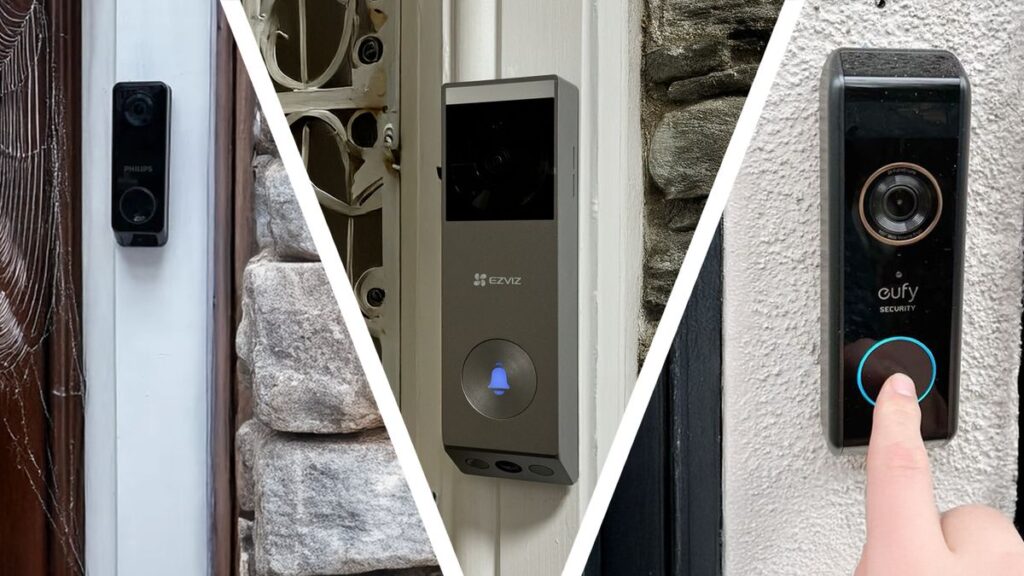
- Video doorbells and cameras. These earn smaller and less consistent discounts. Marketplace data from The Zebra puts typical camera-related savings in the 1 to 3 percent range. We compared the current models in our video doorbell guide and our wired vs wireless security cameras guide, since either can support a discount request.
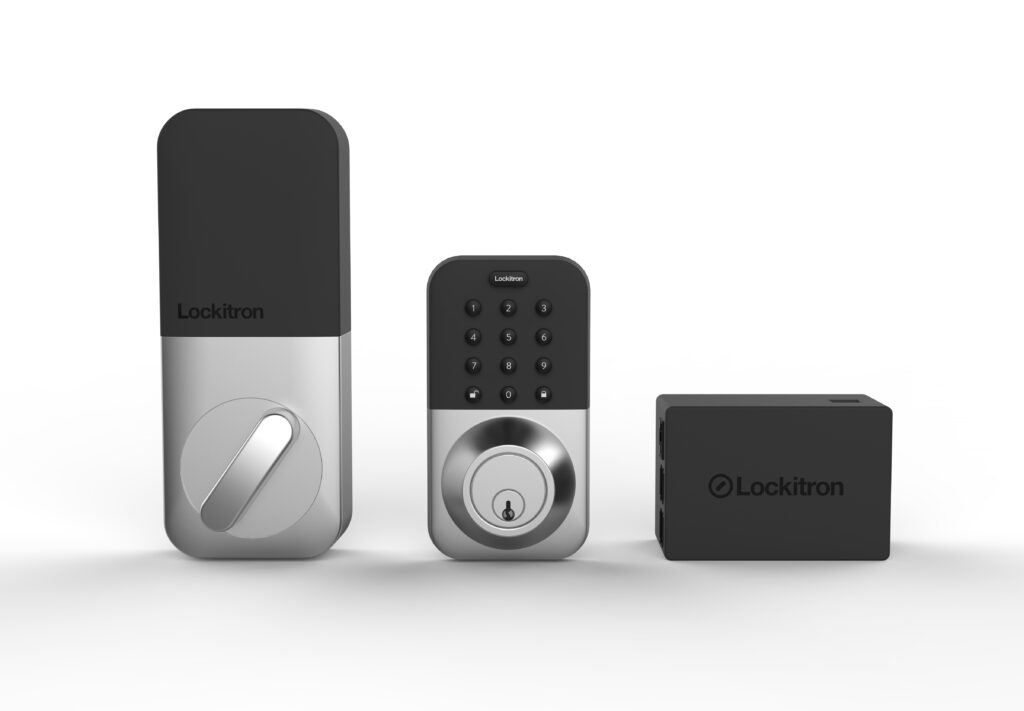
- Smart locks. Some insurers treat deadbolt-grade smart locks like their traditional counterparts. Others ignore them entirely. The answer usually depends on whether the insurer already discounts deadbolts.
- Smoke, water, and environmental sensors. These are the quiet winners. Water damage claims are common and expensive, so leak sensors can earn discounts that cameras never will.
The pattern is simple: insurers reward devices that prevent expensive claims or speed up response. Water and fire sensors often beat cameras on both counts.
How Much Can You Really Save?
Let’s put numbers in perspective. The Insurance Information Institute advises homeowners to ask about security device discounts. Its guidance notes that alarm and deadbolt discounts typically start around 5 percent. That figure usually applies to the theft or burglary portion of your premium, not the whole bill. In practice, the total effect is often a low single-digit cut of what you pay annually.
Camera-only savings tend to be smaller still. The 1 to 3 percent range reported by The Zebra is a realistic expectation for video doorbells and cameras. Some insurers offer nothing at all for them.
For context, the III’s broader tips on lowering homeowners insurance costs list security devices alongside bundling, raising deductibles, and improving your credit-based score. Therefore, a camera discount is one lever among many, and rarely the biggest one.
The honest math: a 2 percent discount on a typical annual premium is meaningful, but it will not pay for your camera system by itself. Buy cameras for the security, and treat the discount as a bonus.
What About Renters Insurance?
Renters face a slightly different picture, and it deserves its own section. Renters insurance is cheaper than homeowners coverage, which means the same percentage discount produces a smaller dollar amount. That said, renters policies cover your belongings against theft, and cameras protect exactly that. A monitored alarm or a camera setup can earn a similar discount on a renters policy. Every dollar matters more when the base premium is modest.
There is a second angle for renters: portability. A camera system you own follows you to the next apartment, while a landlord’s installed alarm does not. Therefore, when you compare renters quotes, ask whether portable devices qualify, since the answer affects how much gear is worth buying in the first place.
How to Claim the Discount
Discounts do not apply themselves. Insurers rarely check whether you bought a camera, so the process starts with you.
- Ask your agent directly. A simple question, «do you offer a security device discount?», costs nothing and often unlocks something.
- Ask what qualifies. Some companies require professional monitoring. Others accept DIY systems, and a few now recognize video doorbells. Get the requirement in writing.
- Keep documentation. Receipts, installation dates, and model names support your request if the insurer asks for proof.
- Bundle if you can. Security discounts sometimes stack with multi-policy or paperless discounts, so ask what else you qualify for in the same call.
- Check your state’s rules. A few states restrict how insurers price risk or advertise discounts, which can change what your agent can offer.
- Compare quotes. The same camera setup might earn a discount with one carrier and nothing with another. Therefore, shop around at renewal time.
- Recheck every renewal. Discount rules change, and a company that ignored cameras last year may recognize them now.
In short, the discount follows the conversation, not the camera. An unclaimed discount is a discount that doesn’t exist.
Cameras as Evidence: How Claims Actually Work
When a burglary happens, the claims process is stressful and detail-hungry. Your insurer will want a police report, a list of stolen items, and proof of ownership where possible. This is where cameras earn their keep in a way no discount can match. Footage shows entry time, the number of intruders, and what was taken, which speeds up both the police report and the claim.
There are practical limits, however. Footage only helps if you can still access it, so a memory card inside a stolen camera is worthless. Cloud backup or a hidden recorder protects your evidence from the same theft. Meanwhile, respect privacy rules when sharing footage: give police what they ask for, and avoid posting neighbors’ comings and goings online. For that reason, set up cameras with the claims scenario in mind, not just the live view. It takes five minutes and pays off exactly once, on the worst day.
The Real Value Goes Beyond the Premium
Even without a discount, cameras earn their place through three quieter benefits. First, deterrence: a visible camera changes behavior before anything happens. Second, evidence: footage helps police identify suspects and helps you document a claim accurately. Third, peace of mind: checking on your home from anywhere is genuinely valuable, and it doesn’t show up on any insurance form.
However, keep expectations honest. Burglary is a relatively rare event for most households, so the statistical value of a camera is real but modest. Meanwhile, the privacy trade-off is also real, since indoor cameras record your daily life and cloud footage lives on company servers. The FTC’s guidance on securing internet-connected devices at home applies here as much as it does anywhere else in your smart home.
Therefore, buy cameras because they make your home safer and calmer, not because a marketing page promised an insurance windfall. None of this means cameras are a bad investment. It means the investment case rests on security and peace of mind, not on the premium. If a discount appears, treat it as confirmation that you built something insurers respect.
Common Misconceptions, Debunked
- «Any camera guarantees a discount.» False. Many insurers ignore cameras entirely, and discounts vary by policy and state. Your neighbor’s deal is not your deal.
- «The discount covers the whole premium.» False. Security discounts typically apply to the theft portion, so the total saving is modest. Ask your agent exactly where the discount appears on your bill.
- «A bigger camera system means a bigger discount.» Usually false. Insurers reward monitoring and prevention, not camera count. Eight cameras and one camera earn the same answer more often than not.
- «Cameras replace an alarm for insurance purposes.» Rarely true. Monitored alarms remain the traditional discount earner. Treat cameras as a complement, not a substitute, when talking to insurers.
Final Thoughts
So, do smart cameras lower your home insurance premium? The accurate answer is: they can, for some homeowners, by a small amount, if you ask the right questions. The more your setup resembles a monitored system, the better your chances. The best strategy is boring but effective. Ask your insurer what qualifies, document your equipment, and compare quotes at renewal. Never buy security gear purely for the discount. Do that, and you might shave a little off your premium. More importantly, you’ll own cameras that protect your home regardless of what any insurer thinks.
Building a camera setup from scratch? Our DIY smart home security system guide walks you through sensors, cameras, and locks in order. That way, you can present a coherent system when you ask your insurer about discounts.