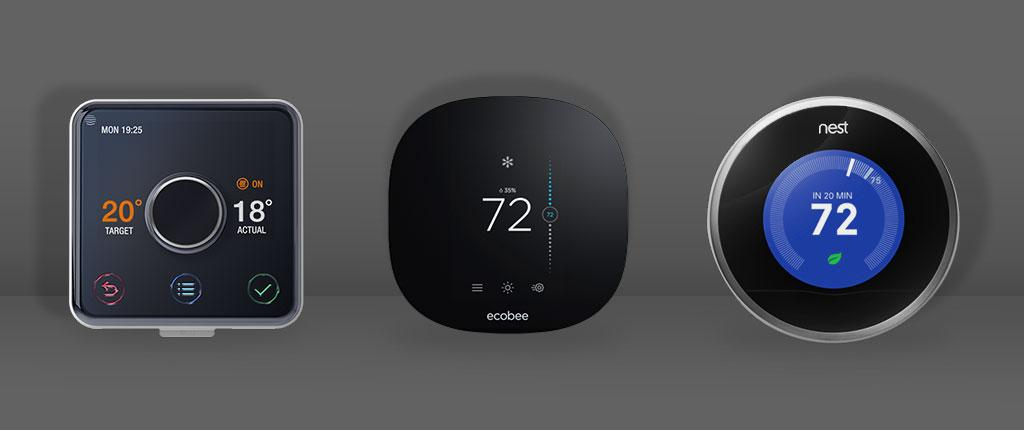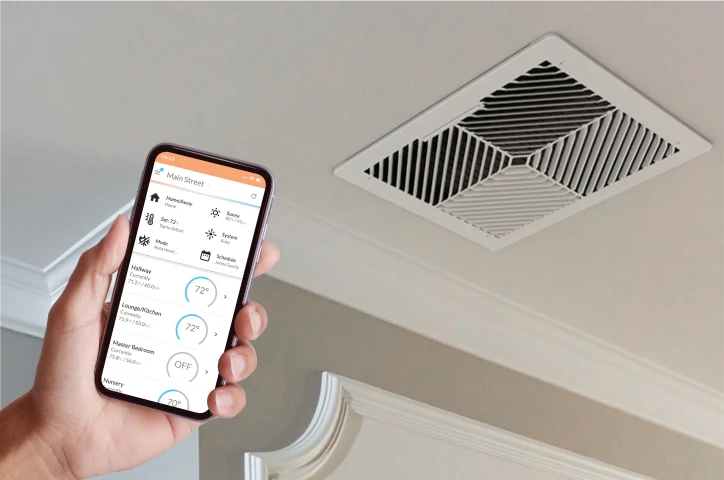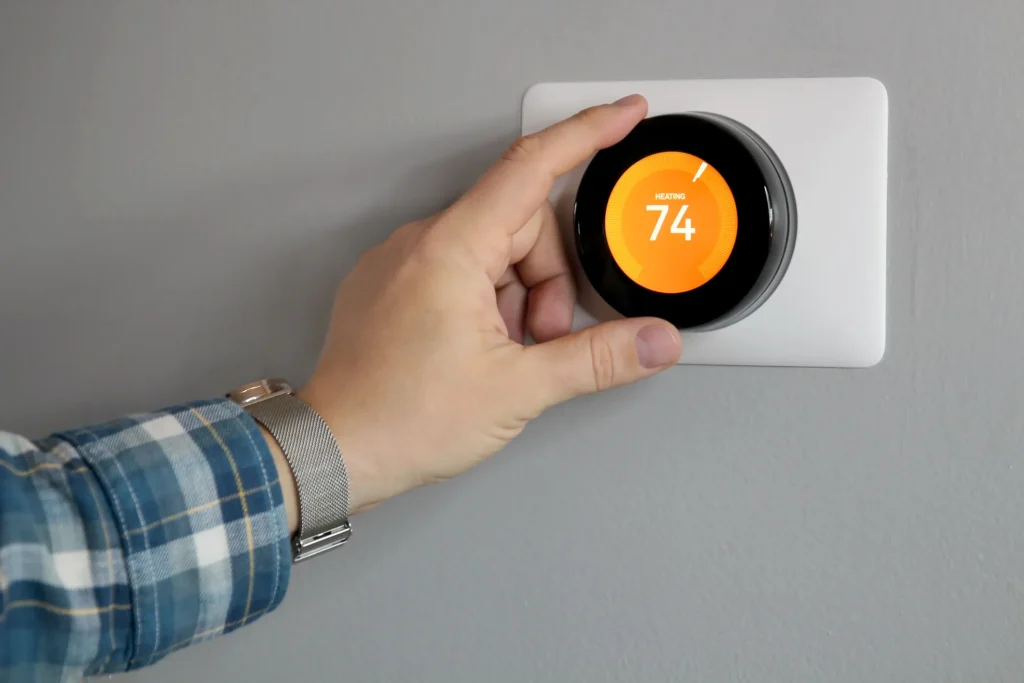
Every thermostat ad hints at savings, but the fine print rarely explains where the money actually comes from. The honest answer to how much can a smart thermostat save has two parts. It can be almost nothing, or a couple of hundred dollars a year, depending almost entirely on your habits. The device does not save energy by itself. It saves energy by making setbacks automatic, and that distinction decides whether your bill drops or stays flat. We compared the current models in our best smart thermostats guide. This article focuses on the numbers behind the savings.
How Much Can a Smart Thermostat Save? The Short Answer
Start with the figure most often quoted. ENERGY STAR, which certifies smart thermostats using field data, puts average savings around 8 percent of heating and cooling bills, or roughly $50 a year. Heating and cooling account for close to half of a typical home’s energy use. Therefore, that 8 percent of the HVAC portion translates into a low single-digit cut of the total bill.
For a typical household, that usually means tens of dollars per year, with colder climates and higher rates pushing it higher. Households that pair a thermostat with aggressive schedules, geofencing, and empty-home hours can do meaningfully better. Households that override everything save close to nothing.
Consider two households. A family in Minnesota, with an older furnace and a geofencing phone, saves far more than a retiree in San Diego. That second home rarely needs climate control at all. The first might bank a hundred dollars or more a season. The second might struggle to notice any change at all. Neither result surprises the manufacturers, since both are baked into the averages.
The honest expectation: most households save somewhere in the tens to low hundreds of dollars per year. The exact number is yours to create, and this guide explains how.
How the Savings Actually Happen
Smart thermostats save money through five mechanisms, and each depends on your behavior:
- Setbacks while away. Heating or cooling an empty house is pure waste, and schedules stop it automatically.
- Setbacks while asleep. The Department of Energy’s classic guidance still holds. Turning the thermostat back 7-10°F for eight hours can save up to 10 percent a year on heating and cooling.
- Geofencing. Presence detection tightens the away window, so the system recovers only when you actually arrive.
- Eco modes and learning. These trim the schedule further, though their contribution is smaller than the basic setbacks.
- Reports and awareness. Seeing runtime in the app changes behavior, which is a real but invisible saving.
Notice the pattern: every mechanism reduces the hours the system runs at full demand. A thermostat that never changes the temperature saves nothing, no matter how smart its app looks. The order of importance matches the list above, too. Setbacks deliver the bulk of the savings, geofencing tightens them, and learning trims the edges. If you only configure one thing, set the away schedule.
What the Data Really Says
The two most cited figures come from institutions, not marketing departments. The Department of Energy states that setbacks of 7-10°F for eight hours a day can save up to 10 percent on heating and cooling. ENERGY STAR reports average savings around 8 percent of heating and cooling bills, about $50 a year, based on certified field data.
Independent reality checks land in a similar band, with one consistent caveat: the savings come from the schedule, not from the intelligence. Studies that compare smart thermostats with well-programmed traditional ones find the gap shrinks once both run sensible schedules. Learning algorithms add convenience, and modest additional savings, but they do not work magic.
There is also a fair comparison problem. A smart thermostat with default settings behaves like a dumb one, and a well-programmed seven-day thermostat from years ago behaves like a smart one. Studies that control for this find the real advantage is convenience, plus the discipline of automation, rather than hidden intelligence.
In other words, a smart thermostat mostly automates what a diligent homeowner would do manually. That automation is valuable precisely because most people never touch a manual schedule again after week one.
Why Some Households Save Almost Nothing
The disappointing stories share recognizable causes:
- Already-efficient habits. If you always adjusted the thermostat before leaving, the smart version has little new to capture.
- Mild climates. Homes that barely heat or cool have tiny HVAC bills, and 8 percent of a small number is a small number.
- Constant overrides. A household that defeats every schedule to keep one temperature all day gets zero savings and pays a premium for the gadget.
- A drafty envelope. A leaky house loses heat faster than any thermostat can manage, so the walls matter more than the controller.
- Heat pump quirks. Deep setbacks on heat pumps can trigger expensive auxiliary heating, which erases the gain unless the thermostat handles it well.
None of these makes the thermostat useless. They just reset expectations, which is the point of this article. If your home matches these patterns, the fix is not a different thermostat. It’s the envelope: sealing leaks, adding insulation, and servicing the system move the needle far more than any controller.
Heat Pumps Are a Different Story
Heat pumps deserve special attention because the math changes. When a heat pump runs, it moves heat efficiently, but when temperatures fall too far, auxiliary resistance heat kicks in, and resistance heat is expensive. A deep setback can therefore cause the auxiliary strips to carry the recovery, wiping out the savings.
Smart thermostats handle this in two ways. They learn the system’s recovery behavior and start early, and many let you lock out auxiliary heat below a set temperature. The practical advice is simple. Heat pump owners should use milder setbacks and let the thermostat stage the recovery. Deep furnace-style setbacks can do more harm than good here. Dual-fuel homes, where a heat pump pairs with a furnace, benefit most from a thermostat that understands both stages. It can choose the cheaper fuel automatically.
The Comfort Math Nobody Puts in Ads
Savings and comfort trade against each other, and the ads only show one side. The familiar guidance of about 68°F for heating and 78°F for cooling works because each degree of setback reduces the workload on your system. Every degree you accept colder in winter, or warmer in summer, moves the bill down a little.
The trap is overrides. A thermostat that saves money at 66°F saves nothing if you bump it back to 72°F every evening. Therefore, pick a setback you can live with, since a modest schedule you keep beats an aggressive one you defeat. The rule of thumb is simple: the more degrees you give back, and the longer the setback lasts, the more you save. Small permanent changes beat dramatic ones you reverse an hour later.
How to Measure YOUR Savings
Skip the generic claims and measure your own numbers:
- Establish a baseline. Pull the last twelve months of bills, and note which months used the most.
- Normalize for weather. Compare the same calendar months year over year, since an unusually cold winter ruins any comparison.
- Set the schedule and leave it. Give the thermostat a full season before judging it.
- Watch runtime, not just dollars. The app’s runtime reports respond faster than the bill and isolate the HVAC effect.
- Factor in rate changes. If your utility raised prices, a lower bill can still hide real savings.
- Check the same months next year. One heating season and one cooling season give a fair picture.
Appliances tell the rest of the story. Smart plugs with energy monitoring reveal what the other devices draw. That way, the HVAC savings show up against a known background. Our smart plugs explained guide covers how to start.
The Hidden Variable: Rates, Climate, and Season
The same schedule saves different dollars in different places. Cold climates with electric heating save more in winter, since resistance heat is expensive per unit. Natural gas heating is cheaper per unit of heat, so percentage savings convert into fewer dollars. Homes that run air conditioning for months see the summer side of the equation grow. Meanwhile, time-of-use rates reward shifting heavy loads to off-peak hours. Several smart thermostats can also join utility programs that pay for demand reductions on hot afternoons. Therefore, ask your utility about thermostat programs before you buy, since bill credits can rival the energy savings themselves.
Eco Modes, Learning, and Reports: The Extra Layers
Beyond plain schedules, the brands add layers that trim a few more percent. Eco modes learn your occupancy and adjust automatically, while learning algorithms refine the schedule you set. Monthly reports show runtime trends, which quietly change habits, and vacation hold keeps the house sensible while you travel.
These layers typically add a few percent on top of a good schedule, not double digits. Treat them as polish: set the schedule first, then let the extras earn their keep. Nobody should buy a thermostat for its eco mode alone.
Recouping the Cost
Smart thermostats typically cost between roughly $80 and $250, before incentives. Against realistic savings of $50 to $150 a year, most households recoup the purchase within one to three years. Utilities and state programs frequently sweeten the math with rebates. Some cover part of the price, and a few promotions include the device at a steep discount. Therefore, check your utility’s rebate page before buying, since the effective price often decides the payback period.
Final Thoughts
So, how much can a smart thermostat save on energy bills? The accurate answer has three parts. Disciplined setbacks can save up to 10 percent of heating and cooling. ENERGY STAR reports around 8 percent on average. Households that override every schedule save close to nothing. Buy one for the automation and the comfort, set a schedule you can live with, and measure a full season before judging it. Do that, and the thermostat quietly earns its price back, one degree at a time.
Not sure which model saves the most in your home? Our best smart thermostats guide compares the current lineup across comfort, compatibility, and cost.
Written by Ángel D. Serrano, who runs Automating Our Home. Finishing a philosophy degree, a patient reader of manuals, and the person who has broken more smart plugs than he will admit. He writes the guides so you only have to decide once.