Every house has that room. The bedroom bakes in summer, the office never warms up, and the nursery sits at the end of a long duct run. Smart vents promise to fix these hot and cold spots by opening and closing automatically, room by room. The marketing makes them sound like ductless zoning for a tenth of the price. In reality, smart vents and zoning work well in some homes and disappoint in others, and the difference comes down to physics, not software. This guide separates the genuine fixes from the expensive experiments.
Do Smart Vents and Zoning Really Work? The Honest Answer
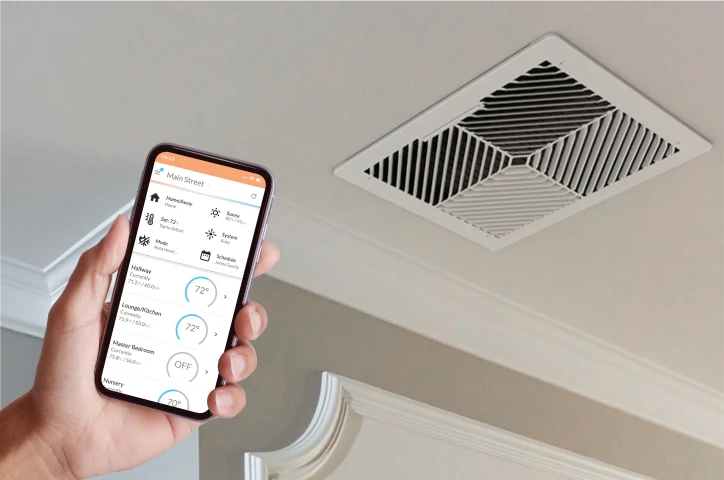
Yes, for comfort, in the right home. A smart vent is a motorized register that replaces a regular vent, measures the room’s temperature, and opens or closes to balance airflow. Systems like Flair and Keen Home pair these vents with sensors and a hub, and they integrate with popular smart thermostats.
That hardware genuinely fixes uneven rooms in single-zone forced-air homes. A room that runs five degrees too warm can receive less air while the cold room receives more, and the balancing happens automatically. Where the claims wobble is energy savings, since the central system still conditions the whole house, and the vent only redistributes its output.
In other words, smart vents are a comfort tool first and an energy tool second. That ordering decides whether they’re worth the money.
How Smart Vents Work
The system has three parts. Each smart vent replaces a regular floor, wall, or ceiling register and contains a motorized flap plus a temperature sensor. A hub or bridge talks to the vents over a wireless protocol. The app or thermostat logic then decides which vents open or close, based on each room’s target temperature.
When a room reaches its target, its vent closes, and the airflow redirects to rooms still calling for heating or cooling. Some systems add pressure monitoring and minimum-open rules to protect the ductwork. The result is a crude, retrofitted zone system, one vent at a time, without cutting into the ducts.
The catch is speed and precision. Air balancing happens over minutes, not seconds, and a room’s temperature lags the vent position. Smart vents also need a return path for air, which is why rooms with closed doors and no undercut behave differently from open-plan spaces. Expect a settling-in period of a week or two, since the system learns each room’s behavior and early over-corrections are normal.
Where Smart Vents Actually Shine
The right candidates share clear patterns:
- Single-zone forced-air systems. If one thermostat controls the whole house, smart vents are the only affordable way to split it.
- One or two problem rooms. A sunroom, a room over the garage, or a bedroom at the end of a duct run responds well to redirection.
- Doors that stay closed. Rooms with closed doors isolate from the main airflow, which is exactly where vent control helps.
- Homes with return paths. A door undercut or a return vent in the room lets the redirected air flow back to the system.
- Rooms used at different times. A guest room can stay closed off until needed, and the vents handle the transition automatically.
If none of these describes your home, smart vents will likely rearrange comfort without fixing the root cause. The opposite pattern predicts failure, too. Open-plan homes with strong natural airflow already mix temperatures, and homes with leaky ducts waste the redirected air before it arrives. If the problem is the house itself, vents are a bandage.
Do They Save Energy? The Uncomfortable Truth
This is where the marketing gets creative, and the physics pushes back. A central HVAC system heats or cools based on the thermostat’s location, and it keeps running until that location is satisfied. Closing vents in one room does not tell the system to produce less heat. It just pushes the same output through fewer openings.
Worse, redirecting air has a cost. When registers close, pressure in the ductwork rises, the blower works harder, and conditioned air finds new escape routes through duct leaks. Energy marketplaces and HVAC professionals broadly agree that closing vents in unused rooms does not save energy and can raise consumption. That verdict applies to manually closed vents, and smart vents soften it without eliminating it, since they open and close continuously rather than staying shut.
The honest expectation: smart vents rarely pay for themselves through energy savings. Their value is comfort, plus the convenience of automatic balancing, and buyers should price them accordingly. When a manufacturer quotes double-digit savings, ask what the study actually measured, since independent reviews routinely find far smaller numbers.
The Hidden Risks: Pressure and Your Furnace
Closing too many vents is not just ineffective, it can be hard on the equipment. High static pressure makes the blower work harder, increases duct leakage, and can strain components over time. In heating, restricted airflow risks overheating the heat exchanger, and in cooling, it can freeze the coil. HVAC contractors consistently warn against sealing off large portions of a system.
Smart vents mitigate these risks with minimum-open positions and pressure awareness, and reputable systems refuse to close every vent at once. However, they do not change the physics of your ductwork. A home with undersized or leaky ducts stays problematic no matter how smart the registers are.
A simple test reveals duct problems. Close most vents by hand for a day and listen. Whistling registers, unusual blower noise, and rooms that suddenly feel worse all point to pressure issues that smart vents will inherit. In that case, fix the ducts first and automate later.
Proper Zoning: The Alternatives Worth Knowing
If you want true room-by-room control, the durable options are older and more expensive than smart vents:
- Motorized duct dampers and a zone panel. A professional installs dampers inside the main ducts and wires them to a zoning controller. This is real zoning, with the thermostat’s permission to run the system for one zone at a time.
- Ductless mini-splits. An indoor unit per room delivers genuine independent heating and cooling, with no ducts involved. The upfront cost is higher, but the control is total.
- Smart vents. A retrofit middle ground, best for homes where full zoning is overkill and mini-splits are out of budget.
The pattern is consistent: the more invasive the solution, the more real the zoning. Smart vents sit at the affordable, reversible end, and that position comes with limits. Mini-splits also solve the comfort problem at the source, since each head unit heats or cools independently. Their efficiency advantage over ducted systems is well documented, which is why the best long-term answer is often one mini-split for the worst room.
What It Costs, Realistically
Smart vents cost meaningfully more than the regular registers they replace. Between the vent hardware, the hub, and extra sensors, outfitting several rooms lands in a different league from buying a smart thermostat. That price also scales with every vent you automate.
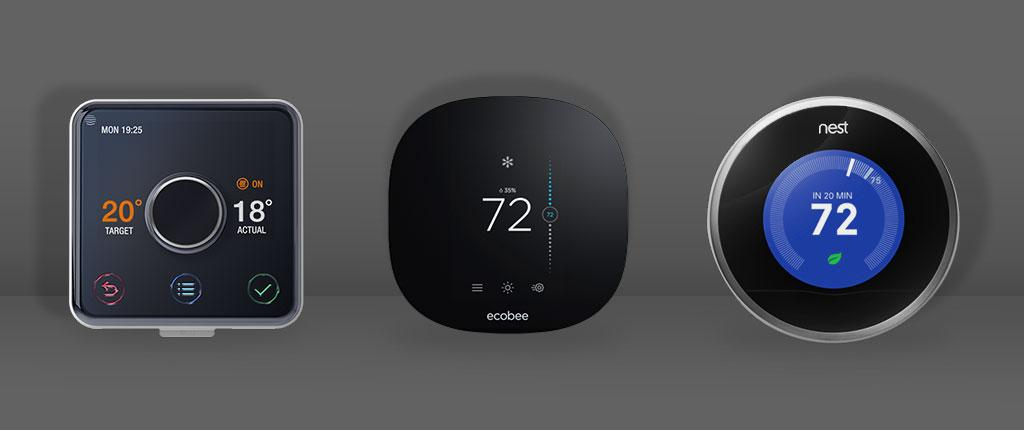
Our comparison of smart thermostats makes a useful frame. The thermostat controls the system, while vents manage distribution, and the two work best together. Before committing, compare the total against a single ductless mini-split for the worst room. In some homes, one mini-split solves the problem room directly, with better efficiency, for a comparable outlay. Budget for setup time, too, since pairing and tuning a multi-vent system can occupy an afternoon.
What to Check Before Buying
- Confirm single-zone forced air. Multi-zone systems and radiant heat gain little from smart vents.
- Check the return path. Without a door undercut or return vent, a closed room pressurizes and airflow stalls.
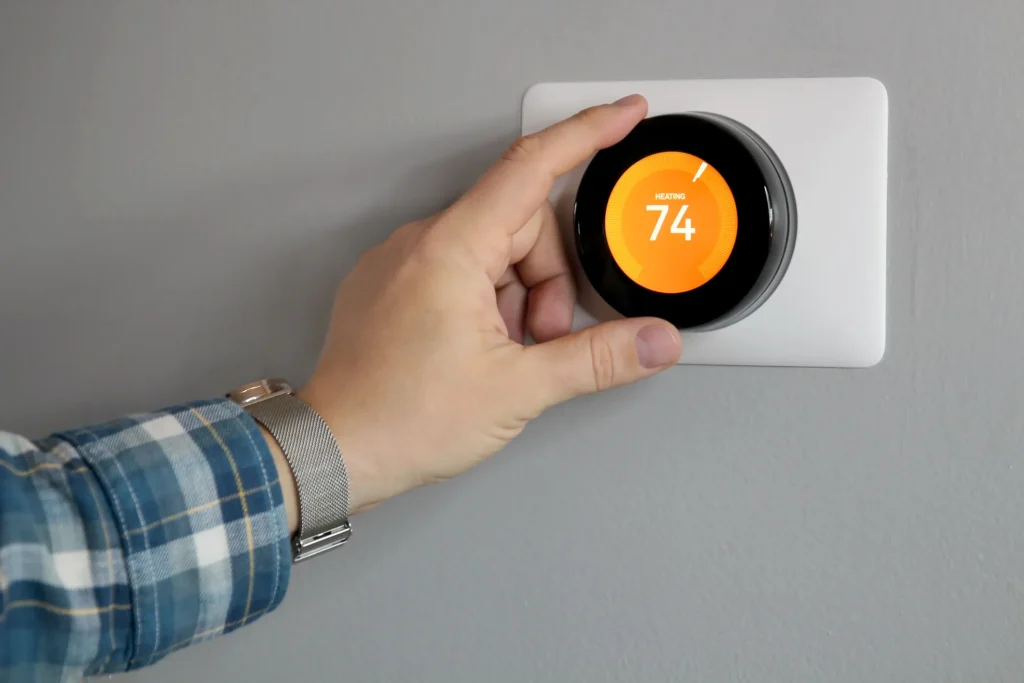
- Verify thermostat compatibility. Integration with your thermostat model determines how well the system coordinates, since vents and thermostat must agree on the schedule.
- Count the vents you’d actually automate. The price multiplies per vent, so three problem rooms may cost more than expected.
- Ask about minimum openings. A system that can close everything at once is a system that can hurt your furnace.
- Set savings expectations. Buy for comfort, and treat any bill reduction as a bonus rather than the point.
When to Walk Away
Smart vents are a tool, not a universal fix, and several homes should skip them entirely:
- Open-plan layouts. Air already mixes freely, so there’s little to balance.
- Systems with zoning dampers. Real zoning already exists, and vents add nothing.
- Rooms without return paths. Without airflow back to the system, closed doors defeat the whole idea.
- Leaky or undersized ducts. Redirected air escapes before it arrives, and pressure problems worsen.
If two or more of these apply, spend the money on duct sealing or a mini-split instead. Most buyers overestimate their own ductwork, so run the test honestly before spending anything.
Our Recommendation by Situation
- One room always too hot or cold → a smart vent in that room, paired with your existing thermostat.
- Two or three problem rooms, moderate budget → smart vents plus sensors, installed gradually.
- Whole-house unevenness → investigate duct design and insulation first, since leaks defeat any vent.
- A room that needs true independent control → a ductless mini-split for that room beats vents.
- New construction or major renovation → professional zoning with motorized dampers, done once.
- Renting → skip vents entirely, since registers are the landlord’s property.
Final Thoughts
Do smart vents and zoning really work? Yes, as a comfort fix for single-zone forced-air homes with a few stubborn rooms. They automate what manual vent cranking does poorly, integrate with modern thermostats, and avoid invasive ductwork. They are not, however, an energy-saving shortcut, and they cannot overcome pressure problems, leaky ducts, or rooms without return paths. Therefore, diagnose your home before you buy: identify the problem rooms, confirm the return airflow, and set expectations around comfort rather than payback. Done that way, smart vents earn their place quietly, one balanced room at a time.
Smart vents balance the air, but the thermostat sets the rules, and its savings are easier to measure. See how much a smart thermostat can really save in our energy savings guide.