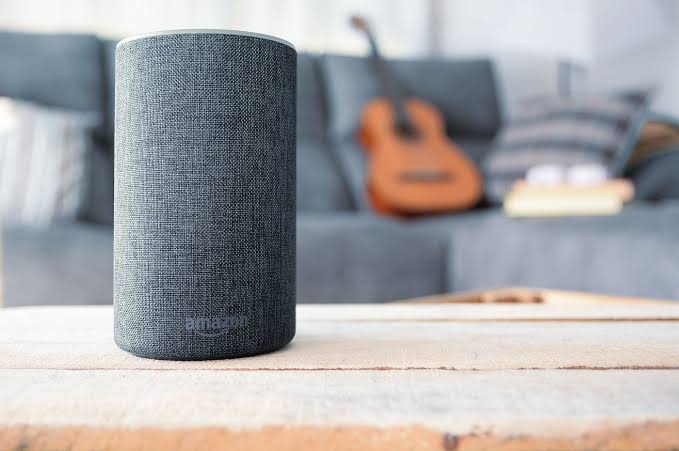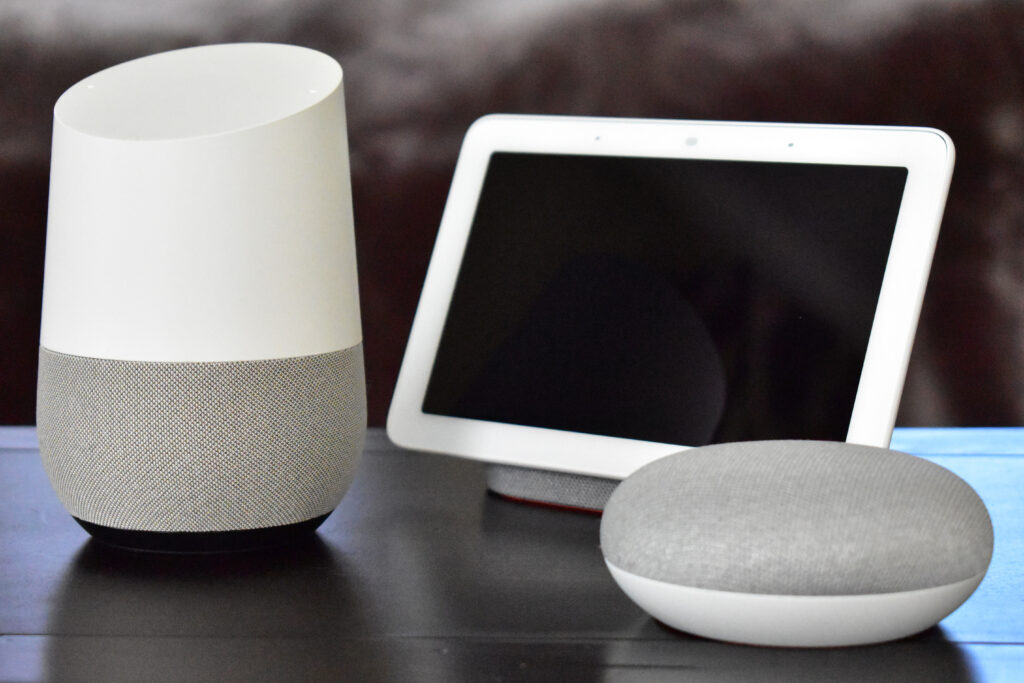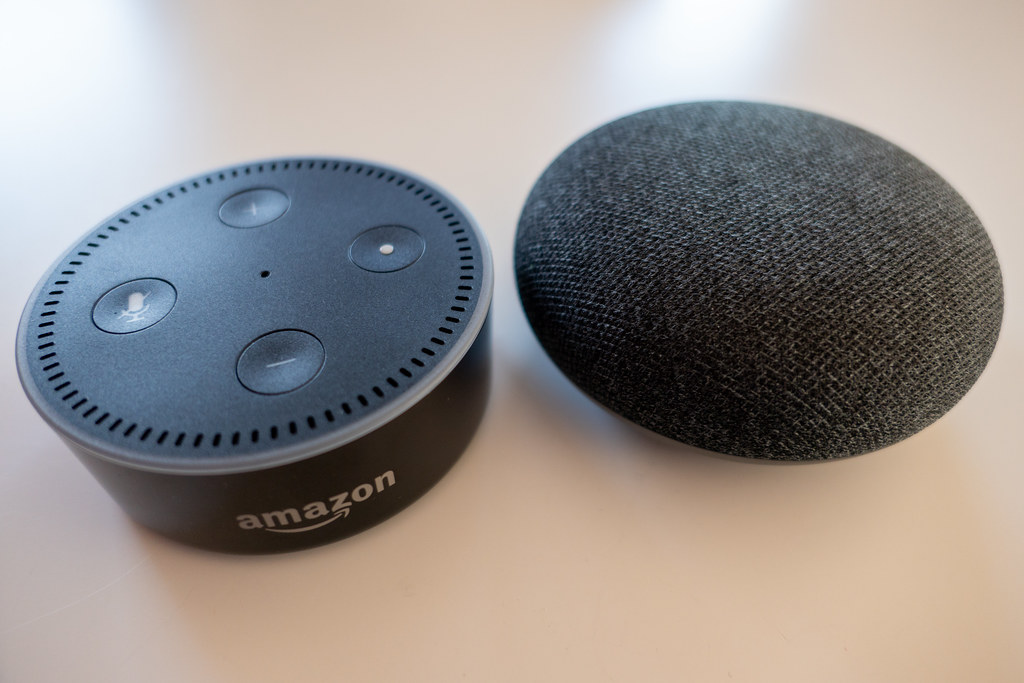
The smart speaker battle has narrowed to two giants, and most buyers face exactly one question: Alexa or Google? Both camps sell excellent speakers, both assistants control the same lights and thermostats, and both will happily play your music. The differences live in the details, and those details are almost always about the ecosystem around the speaker, not the speaker itself. We compared the full speaker field in our best smart speakers guide. This article settles the head-to-head: Amazon Echo vs Google Nest speakers, and how to choose between them without regret.
Amazon Echo vs Google Nest Speakers: The Short Answer
Buy an Echo if your life already leans Amazon, and buy a Google speaker if your life leans Google. That sounds glib, but it is the honest answer. Alexa wins on smart device compatibility and routine depth, while Google’s assistant wins on conversation, context, and information. Sound quality is competitive at every price tier, which means the ecosystem decides more than the audio.
The shortcut: look at your phone, your TV, and your music service. If all three say Google, a Nest speaker will feel native. If they say Amazon, an Echo will. If they’re mixed, the tiebreakers below settle it.
In other words, you are not choosing a speaker. You are choosing which assistant will run your home for the next five years.
Sound and Hardware
Amazon fields the wider lineup, from tiny pucks to premium speakers with room-filling sound and even screens. The Echo range covers every budget, and the top end competes with dedicated music speakers. Google’s current hardware is leaner, centered on its newest Home speaker, which favors clean design and good sound for the price.
At any given price point, the audio gap between the two is small enough to ignore. Echo offers more size options for unusual rooms, and Google’s single strong speaker keeps the choice simple. Therefore, pick hardware by room size and budget, and let the assistant decision come from the rest of your life.
Both ecosystems support stereo pairing, which doubles a compact speaker into a convincing mini system. If you want a screen for recipes or video calls, Amazon’s Show lineup remains the deeper option. Google’s strength stays in the speaker itself. Match the device to the room. Buy two small speakers over one big one when you want sound spread across a kitchen or an office.
Assistant Smarts: Alexa vs Gemini
The assistants are the real products, and they have different personalities. Alexa excels at commands: it controls more third-party devices, understands more brand-specific requests, and its routines chain actions across the whole home. For pure smart home control, Alexa still leads on breadth, and cheap Echo models make it affordable to put an assistant in every room.
Gemini, Google’s current assistant, leads on conversation. It handles follow-ups and remembers context, and it answers complex questions more accurately. That matters if you treat the speaker as a source of information rather than a light switch. Google’s assistant also understands natural phrasing, so «make the living room cozier» works better than it does on Alexa.
Both assistants control Matter devices, both handle multi-user voice recognition, and both improve over time. The practical difference: Alexa is the better remote control, and Gemini is the better companion. Choose the job you need done most, since today’s gaps keep shifting with every update.
Routines and Automations: Where They Diverge
Both assistants run routines, but the style differs. Alexa routines fire from precise triggers, including sensors, schedules, and device states, which makes them the favorite of tinkerers building complex chains. Google routines live in the Google Home app and lean on voice phrases and schedules, which suits families who want simple, reliable automations.
The morning scene shows the gap. Alexa can start it from a door sensor or a specific time, then read the news, adjust lights, and announce the weather in one chain. Google handles the same scene from a phrase or schedule with fewer moving parts. If you love building automations, Alexa gives more rope, and if you want them to just work, Google gets out of the way. Both improve monthly, so revisit the gap before assuming it stays.
Calling, Broadcasting, and Family Features
Speakers earn their place through family features as much as music. Both assistants broadcast announcements between speakers, so dinner can be summoned from any room, and both recognize individual voices to personalize music, news, and calendars. Hands-free calling works on both in supported regions, and Alexa’s drop-in feature lets approved contacts connect to a speaker like an intercom.
Check which calling and region features work where you live before relying on them, since availability varies and changes often. The family angle matters because the assistant your children and partner can use comfortably is the one that stays on.
Privacy and Data
Neither assistant is private in the absolute sense, because voice commands are processed in the cloud by design. Both companies let you review and delete voice history, and both ship physical mute buttons that cut the microphones entirely. The philosophical difference is how the data connects to money. Amazon ties your voice activity to its shopping ecosystem, while Google ties it to its advertising machine.
That distinction matters less than the practical controls. Check the voice history settings on whichever you choose. Delete recordings periodically, and use the mute button for conversations you want kept out of the cloud. The FTC’s device security guidance applies here as everywhere else. Strong account passwords and two-factor authentication protect the speaker from the outside, while the settings protect you from the vendor.
One more control deserves attention: voice purchasing. Both assistants can buy things with your voice, and both let you require a voice code or disable purchases entirely. In a house with children, that setting matters more than any other.
For buyers who want privacy first, neither giant is the answer. Apple’s HomePod and assistant-free speakers from Sonos exist precisely for that preference, which we covered in the full comparison.
Smart Home Control, Head to Head
If the speaker will run your smart home, compare the control layer, not the trivia. Alexa’s advantage is breadth: it supports more device brands out of the box, and its routines have fewer limits. Google’s advantage is the app and the phrasing: Google Home groups devices cleanly, and Gemini understands casual requests without memorizing exact command names.
Scene naming reveals the difference. Alexa routines require precise setup but execute reliably. Google routines accept looser language but occasionally surprise you with what they matched. For homes with many brands, Alexa remains the safe default, while Google suits homes that already run the Google Home app. Hub duties tilt the same way. Some Echo models carry Zigbee radios built in, while Google leans on Matter and Thread. Check the model’s specs before relying on the speaker as your hub.
Music and Media
The music service you pay for quietly decides the experience. Amazon Music is the native player on Echo, and YouTube Music is the native player on Google. Both assistants work as default players for their own services. Spotify works on both, though sometimes through an extra step of phone casting.
Video tilts the same way. Amazon’s Fire TV pairs naturally with Echo, while Google’s Chromecast and Android TV platforms pair with Google speakers. If your TV and your speakers share a platform, voice control of video becomes seamless. That’s why the TV is a stronger tiebreaker than most buyers expect.
The Ecosystem Test: Look Around Your Home
Before choosing, answer five questions about what you already own:
- What phone do you carry? Android points to Google, and iPhone leaves the door open.
- What TV do you watch? Fire TV favors Amazon, and Chromecast or Android TV favors Google.
- What music do you stream? The native service of each platform gets the smoothest voice playback.
- What smart devices do you own? Brand apps and assistant support vary, and Alexa covers more of them.
- Who else lives there? Multi-user voice recognition works on both, but families pick up each assistant’s habits differently.
Two or more answers pointing the same way make the decision easy. A split result means picking whichever assistant you’ll actually talk to daily, since the best speaker is the one that gets used.
Our Recommendation by Situation
- Android phone, YouTube Music, Chromecast TV → a Google Home speaker, without hesitation.
- Amazon shopper, Fire TV, mixed smart brands → an Echo, for Alexa’s device reach.
- Voice as a remote control for the smart home → Echo, where routines and compatibility lead.
- Voice as an information source → Google, where Gemini answers like a conversation.
- Equal footing, first speaker ever → choose by music service, then buy that ecosystem’s entry model.
- Privacy as the priority → skip both and consider Apple HomePod or Sonos instead.
The Real Cost of Switching Later
Speakers are cheap, but ecosystems are sticky. By the time you own three Echos, a Fire TV, and a shelf of Alexa-compatible bulbs, switching to Google means replacing or reconfiguring nearly everything. The same applies in reverse. Therefore, buy one speaker first, live with it for a month, and expand only when the assistant has proven itself in your daily routine. Mixing both assistants in one home is possible, but automations and scenes live in one app, so one ecosystem should stay in charge.
Final Thoughts
The Amazon Echo vs Google Nest speakers decision has a boring but reliable answer: follow your ecosystem. Match the phone, the TV, and the music service, and the right assistant reveals itself. Sound is close enough to ignore, and both companies update their assistants constantly, so today’s feature gaps are tomorrow’s updates. What does not change is your ecosystem, which is why it should make the call. Pick the assistant that fits the life you already have, and the speaker will quietly become the most-used device in the house.
Whichever assistant wins, it needs something to control, and most homes start with the lights. See our best smart bulbs guide for where voice control pays off first.