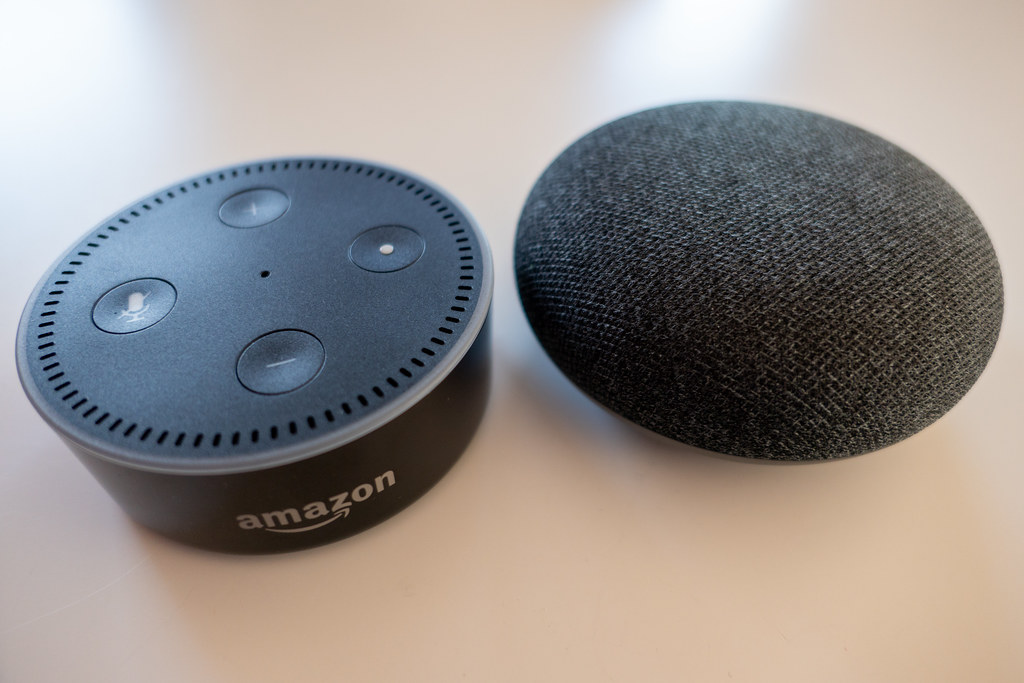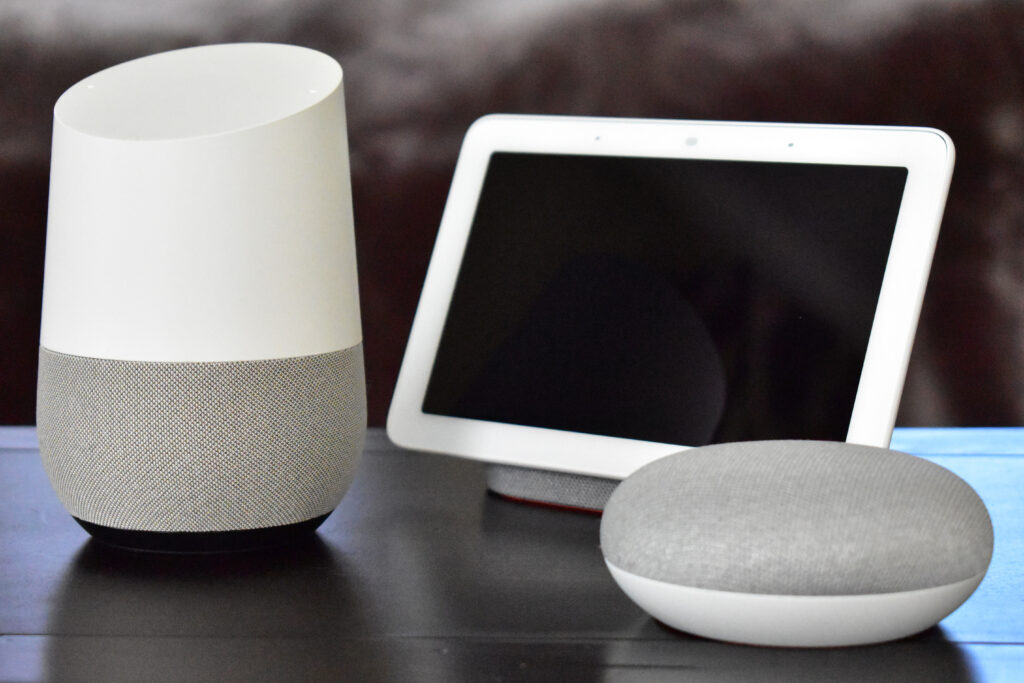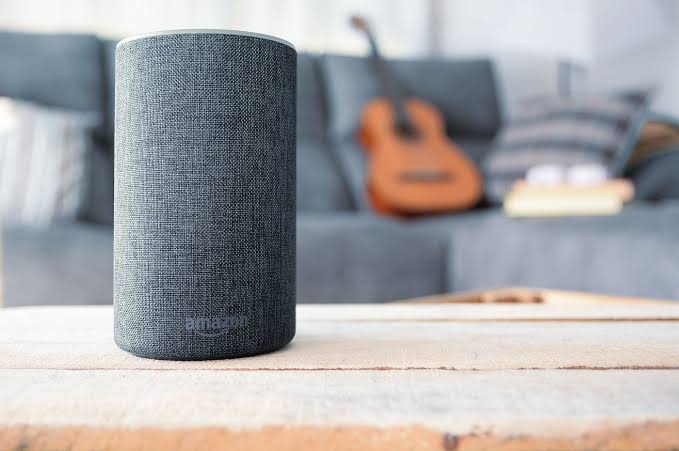
A smart speaker is the front door to your entire smart home. It answers questions, plays music, sets timers, and controls the lights, plugs, and smart thermostats you read about elsewhere on this site. However, buying one means choosing an assistant, and that choice quietly decides which future devices will work best. In this guide, we compare the best smart speakers of 2026 across sound, assistant smarts, ecosystem fit, and privacy. We want you to pick the voice that will actually run your home.
How We Chose the Best Smart Speakers
- Assistant quality. Alexa, Google, and Siri differ in what they answer well, how they handle follow-ups, and how deeply they integrate with services.
- Sound quality. A speaker lives in your kitchen or bedroom, so music matters. Voice pickup and music performance are two different jobs.
- Ecosystem fit. Your phone OS, music subscriptions, and existing smart devices all point to one assistant over the others.
- Smart home hub duties. The best speakers double as controllers and Matter or Thread hubs, which reduces the hardware you need.
- Privacy posture. An always-on microphone demands trust, and the brands differ sharply in recording policies and controls.
- Multiroom potential. Some speakers group into whole-home audio, while others are strictly single-room devices.
Amazon Echo: The Alexa Default
Amazon’s Echo lineup is the biggest and most varied in the category, from tiny pucks to premium soundbars with displays. Alexa remains the most capable assistant for smart home control, and the ecosystem around it is enormous.
- The deepest smart home reach. Alexa supports more device brands and skills than any rival, which makes it the safest choice for mixed homes.
- A size for every room. Compact pucks, full speakers, and screen models cover kitchens, bedrooms, and living rooms.
- Hub duties included. Several Echo models act as Zigbee and Matter controllers, so sensors and bulbs join without extra hardware.
- Routine power. Alexa routines chain devices and actions in ways rivals are still catching up to.
Where Echo asks for more in return:
- Sound quality varies by model. The budget end of the lineup prioritizes price over audio.
- Amazon’s ecosystem bias. Alexa pushes Amazon services and shopping, and its privacy record invites scrutiny.
Best for: mixed smart homes and buyers who want the widest device compatibility at any budget.
Google Home: The Assistant That Knows Things
Google’s newest Home speaker runs Gemini, the company’s most capable assistant yet. The whole lineup shares Google’s strengths: information, search, and tight integration with Android services.
- Best-in-class answers. Gemini handles complex questions, follow-ups, and context better than the other assistants.
- Natural Google integration. Calendar, maps, YouTube, and Android phones all work seamlessly with the speaker.
- Smart home control done well. Google Home manages devices across brands, with Matter support across the lineup.
- Clean, understated design. Google speakers blend into rooms better than most rivals.
Where Google asks for more in return:
- Fewer niche device integrations than Alexa, though the gap keeps closing.
- Sound is good, not class-leading on the compact models, so music lovers may look further.
Best for: Android households, Google services users, and anyone who asks their speaker real questions rather than just commands.
Apple HomePod: The Ecosystem Lock-In That Works
Apple’s HomePod and HomePod mini are the obvious choice inside the Apple ecosystem, and the mini delivers remarkable sound for its size. Siri handles the basics gracefully, and privacy is Apple’s core selling point.
- Excellent sound per size. The HomePod mini punches far above its footprint, and the full HomePod is genuinely high-fidelity.
- Native Thread border router. HomePods strengthen Thread networks, which improves Matter devices across the home.
- Siri and HomeKit depth. If your life runs on iPhone, Apple TV, and HomeKit, the integration is unmatched.
- Privacy by design. Apple’s assistant processes requests with fewer data ties, and the company sells no ads on your voice history.
Where Apple asks for more in return:
- Apple-only by default. Android users and Spotify fans will fight the ecosystem daily.
- Siri trails in raw knowledge. Complex queries and third-party integrations lag Alexa and Google.
Best for: Apple households that want great sound, a Thread hub, and the tightest privacy posture.
Sonos: The Music-First Multiroom System
Sonos approaches speakers from the audio side. Its speakers form the gold standard for whole-home music. Newer models let you choose Alexa or Google as the assistant, rather than locking you in.
- The best multiroom audio. Sonos groups rooms effortlessly, with music synced perfectly across the house.
- Assistant on your terms. Era speakers support Alexa or Google, so you pick the voice without losing the hardware.
- Superior tuning. Trueplay adjusts the sound to your room, and the app remains the best in the business.
- Streams from everything. Music services, podcasts, and your own library all work through one app.
Where Sonos asks for more in return:
- Premium pricing. Sonos costs more than assistant-first speakers for similar smart features.
- Assistant features lag. Voice control works, but Sonos is a music system first and a smart assistant platform second.
Best for: music lovers building whole-home audio who want the assistant as a bonus, not the main event.
Side-by-Side Comparison
| Amazon Echo | Google Home | Apple HomePod | Sonos | |
|---|---|---|---|---|
| Assistant | Alexa | Gemini | Siri | Alexa or Google |
| Best strength | Device compatibility | Answers and context | Apple integration | Multiroom music |
| Smart home hub | Zigbee and Matter | Matter | Thread border router | Some Matter support |
| Music quality | Varies by model | Good | Excellent per size | Class-leading |
| Privacy posture | Scrutinized | Moderate | Strongest | Neutral |
| Best fit | Mixed homes | Android users | Apple households | Music lovers |
The Assistant Question: Alexa, Google, or Siri
Your phone operating system is the single best predictor of satisfaction. Android users find Google’s assistant everywhere they look, and iPhone owners get Siri in their headphones, watch, and car. Alexa, meanwhile, wins on sheer device compatibility, which matters when your home mixes brands freely.
Think about how you actually talk to a speaker. If you ask questions and expect real answers, Google leads. If you issue commands to smart devices, Alexa leads on breadth. If you live inside Apple’s world, Siri’s integration beats both of the others despite its weaker trivia. In other words, choose the assistant you already use, then find its best speaker.
Sound Quality: Beyond the Spec Sheet
Assistant microphones and music drivers are different engineering problems. A speaker with excellent voice pickup can sound thin on music, and a musical speaker can struggle to hear you across a noisy kitchen. Therefore, match the hardware to the room. Compact speakers suit kitchens and bedrooms, while larger ones fill living spaces. Add pairs or Sonos groups where music matters most.
Placement shapes sound more than the price tag. Corners amplify bass, shelves muffle drivers, and walls reflect voices. Give the speaker breathing room, run any room-tuning feature the app offers, and most modern speakers will surprise you. Voice pickup follows the same rules. A speaker on a countertop hears better than one buried on a shelf, and a noisy kitchen is the hardest room for any assistant.
Privacy: The Question Everyone Asks
An always-on microphone is a fair thing to question, and the answers differ by brand. Every major speaker ships with a mute button that physically disables the microphones, and that button is the first thing to trust. Beyond it, check the assistant’s recording settings. Amazon and Google let you review and delete voice history, and Apple’s assistant sends fewer requests to its servers by design.
Apply the same device security basics the FTC recommends across your smart home. Use a strong account password and two-factor authentication, and check regularly which devices can access the speaker. A speaker in a shared home deserves a conversation about who can buy things or unlock doors with their voice.
Music Services: The Quiet Compatibility Check
The assistant war hides a second, quieter compatibility battle: your music service. Each ecosystem prefers its own player. Amazon Music flows naturally through Alexa, YouTube Music pairs with Google, and Apple Music is at home on the HomePod. Spotify works across most platforms, but rarely as the default voice player on Amazon or Apple gear, which forces workarounds through phone apps.
Sonos sidesteps the problem by supporting nearly every service in one app, which is why music lovers forgive its premium price. Therefore, confirm that your streaming service speaks the speaker’s language before buying. A favorite playlist that needs a phone to start defeats the point of voice control.
Multiroom and Whole-Home Audio
Multiroom transforms a speaker collection into a system. Google and Sonos group rooms most gracefully. Amazon supports multiroom across Echo models, and a stereo pair of HomePod minis fills a room with surprising width. If whole-home audio is the goal, decide that before buying, since mixing brands across rooms means juggling apps and losing group playback.
The practical rule: single-speaker households can ignore multiroom, but anyone planning several speakers should pick one brand from the start. That decision is painful to reverse later.
Our Recommendation by Situation
- Mixed smart home, maximum compatibility → an Amazon Echo, for Alexa’s device reach.
- Android household that asks questions → a Google Home speaker, powered by Gemini.
- Apple everything → a HomePod mini, which doubles as a Thread border router.
- Music across the whole house → Sonos, and choose Alexa or Google for voice.
- First smart speaker on a budget → a compact Echo or Google model, to learn the habits.
- Privacy as the top priority → Apple HomePod, plus the mute button as a habit.
Final Thoughts
The best smart speakers in 2026 solve one problem above all: they make the assistant you already use feel effortless. Match the ecosystem first, weigh sound for the rooms you’ll fill, and check the privacy settings before you trust the microphone. Start with one speaker in the room you use most, let the habits form, and expand when the voice commands feel natural. Done that way, the speaker stops being a gadget and becomes the quiet center of the smart home, the voice that turns everything else on.
Speakers control the lights you’ll buy next, so pair them well. Our best smart bulbs guide is where most voice-controlled homes begin.