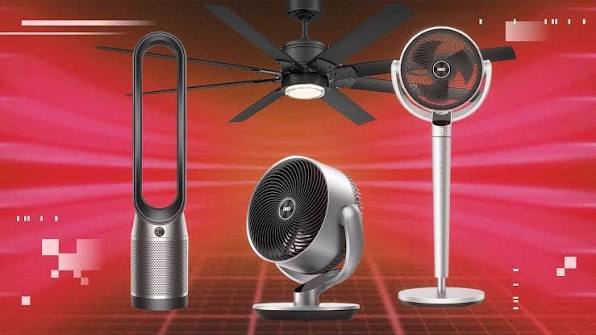
Summer heat exposes the difference between a smart home and a comfortable one. A fan that ignores your voice and an air conditioner with a sticky dial feel ancient once you’ve lived with app control, schedules, and scenes. However, the smart cooling market splits into two very different products: fans that move air, and air conditioners that actually cool it. Choosing wrong wastes money, since a fan cannot replace an AC in a heat wave, and an AC is overkill for a mild evening. In this guide, we compare the best smart fans and air conditioners for 2026. We organize them so you buy the right tool for your climate and room.
Smart Fans vs Smart ACs: Which Do You Need?
Start with the physics, because the marketing blurs it. A fan cools people, not rooms, by moving air across your skin. It works brilliantly in mild heat, and it costs pennies to run. An air conditioner removes heat from the room itself, which is the only real answer when temperatures climb past the mid-80s or humidity takes over.
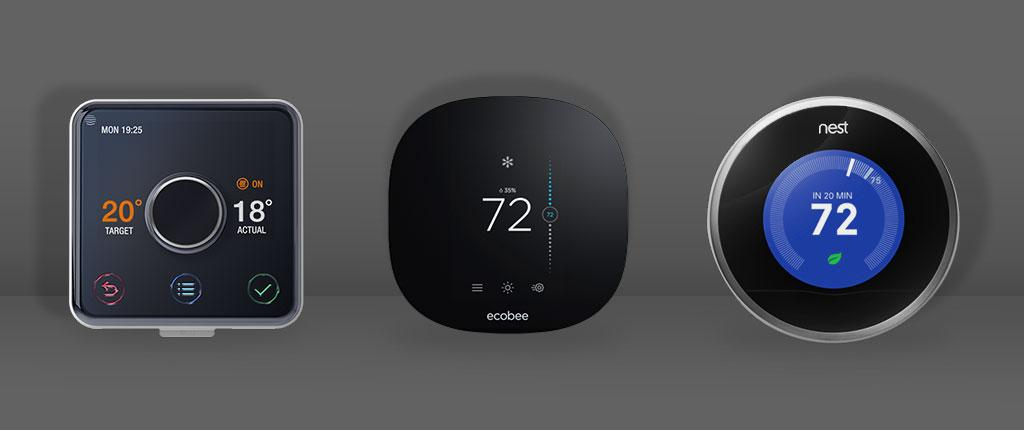
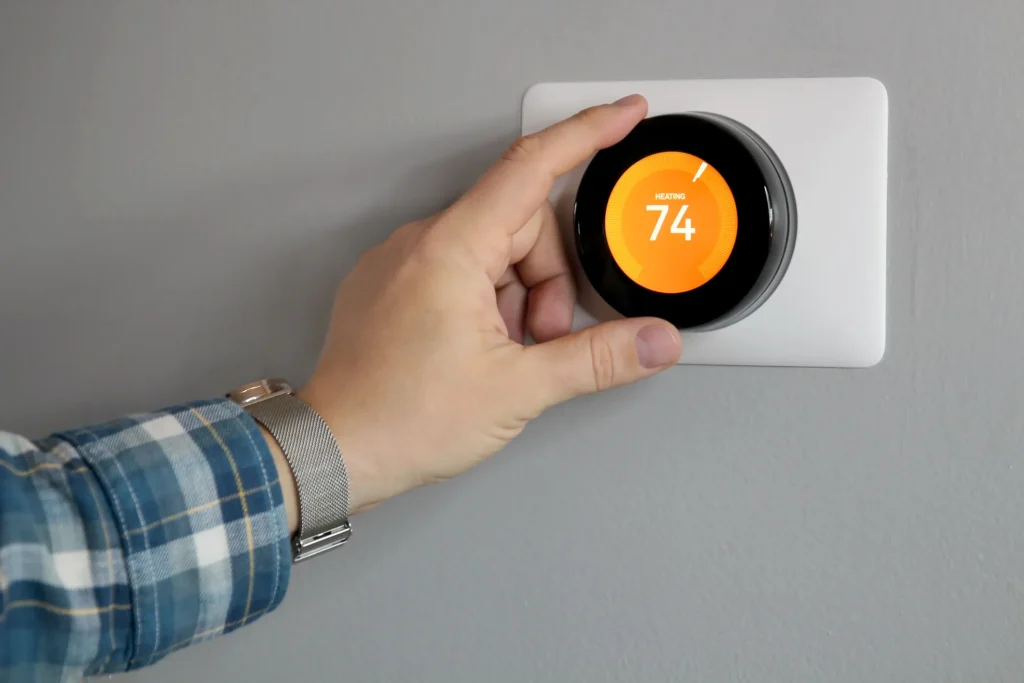
The smart strategy is often both. A fan spreads an AC’s cool air through the room, so the AC can run less. A bedroom fan at night can replace the AC entirely on mild evenings. Meanwhile, homes with central air pair their whole-house system with a smart thermostat, which we covered in our best smart thermostats guide. This guide focuses on the room-level gear: standalone fans and window air conditioners.
How We Chose the Best Smart Fans and Air Conditioners
- Cooling method and coverage. Fans need strong, wide airflow, while ACs need the right capacity for the room. Bigger is not better with ACs, since oversized units short-cycle and dehumidify poorly.
- Noise. Bedroom gear must be quiet at the speeds you actually use at night. Check decibel ratings at low settings, not just the marketing numbers.
- Smart control quality. A reliable app, schedules, and voice support matter more than exotic modes you will never open.
- Energy features. Inverter compressors and Energy Star certification separate efficient ACs from power hogs. Fans sip power almost regardless of brand.
- Installation reality. Window ACs need a window, a vent kit, and often a dedicated circuit. Fans need only a floor or table.
Dyson: The Premium Smart Fan
Dyson builds the best-known premium fans, with its bladeless Air Multiplier design and models that add purification, heating, or both. They cost more than everything else in the aisle, and they earn that price for a specific buyer.
- Strong, smooth airflow. The bladeless design projects air further than most blade fans of the same size.
- Genuine smart features. The app handles schedules and voice assistants respond reliably, with some models adding air-quality monitoring.
- Quiet at low speeds. Night settings are genuinely bedroom-friendly on most models.
- Year-round value. Heat and purify models pull duty in winter too, which spreads the cost.
Where Dyson asks for more in return:
- Premium pricing. A Dyson fan costs several times more than capable rivals.
- Filter costs. Purifier models need replacement filters on a schedule, and they are not cheap.
Best for: buyers who want a design object with real smart features, and who will use the heat or purification functions.
Dreo: The Value Smart Fan
Dreo has become the default answer for smart tower fans, combining strong airflow, quiet operation, and app control at a fraction of Dyson’s price. Its fans dominate budget lists for good reason.
- Serious airflow per dollar. Dreo tower fans move air across large rooms without premium pricing.
- Oscillation and presets. Wide oscillation and handy modes cover bedrooms, living rooms, and offices.
- App and voice control. Schedules, timers, and Alexa or Google commands work as expected.
- Low power draw. Fans cost almost nothing to run, making the smart features effectively free.
Where Dreo asks for more in return:
- Plastic build. The materials feel budget, and the footprint is larger than premium fans.
- No air purification. Dreo sells purifiers separately, so one device cannot do both.
Best for: value buyers who want a dependable smart fan without paying design premiums.
Midea: The Smart Window AC Standard
Midea leads the smart window AC segment, and its U-shaped models became famous for solving the classic window AC problem: noise. The design blocks outside sound and window gap, which makes the units genuinely bedroom-friendly.
- U-shaped, ultra-quiet design. The compressor sits outside the window line, so the room hears far less of it.
- App and voice control. Schedules, modes, and temperature control work through the app, Alexa, and Google.
- Inverter efficiency. Inverter models run compressors at variable speed, which saves energy and holds temperature steadily.
- Easy seasonal setup. The kits install without tools on most windows, and the units lift out for winter.
Where Midea asks for more in return:
- Window requirements. U-shaped units need windows that open the right way, and very old frames can complicate the fit.
- Wi-Fi quirks. Some buyers report pairing hiccups that need a router restart, so expect occasional setup patience.
Best for: households that want quiet, efficient window cooling with real smart control.
LG: The Inverter Powerhouse
LG’s smart window air conditioners pair dual-inverter compressors with the polished ThinQ app, and the lineup spans everything from small bedrooms to large living areas.
- Dual inverter technology. Variable-speed compressors run quieter and more efficiently than traditional on-off designs.
- Strong app experience. ThinQ handles schedules, energy tracking, and voice control through Google and Alexa.
- Wide capacity range. Models from compact to high-BTU cover any room you need to cool.
- Consistent build quality. LG’s manufacturing and support network match the price.
Where LG asks for more in return:
- Premium pricing. LG inverters cost more than standard window ACs.
- Heavier units. High-BTU models are genuinely heavy, so two people and a solid sill are recommended.
Best for: buyers who want maximum efficiency and the most polished app, and who will keep the unit for years.
Side-by-Side Comparison
| Dyson | Dreo | Midea | LG | |
|---|---|---|---|---|
| Type | Premium fan | Value fan | Window AC | Window AC |
| Cooling method | Moves air | Moves air | Cools room | Cools room |
| Signature strength | Design, purification | Value per dollar | U-shaped quiet design | Inverter efficiency |
| Voice support | Alexa, Google, Siri | Alexa, Google | Alexa, Google | Google, Alexa via ThinQ |
| Energy notes | Very low draw | Very low draw | Inverter options | Dual inverter standard |
| Best fit | Design buyers | Budget buyers | Quiet night cooling | Efficiency buyers |
Sizing and Placement: Done Right
Capacity decides comfort more than brand. For window ACs, the rough rule is about 20 BTUs per square foot of room. An 8,000 BTU unit suits a modest bedroom, while larger rooms want 10,000 to 12,000 BTUs. Oversizing is a real mistake: a unit too big for the room cools quickly, then short-cycles before it removes humidity, leaving the room clammy.
Placement matters just as much. Window ACs need a level sill, a secure vent kit, and ideally their own circuit, since large units draw serious current. Never run one through an extension cord, and never connect one to a smart plug, which we warned about in our smart plugs explained guide. Fans, meanwhile, work best aimed across the room’s main seating or sleeping area, with a clear path for air to circulate back.
Smart Features Worth Paying For
The useful smart features are a short list:
- Schedules. A bedroom AC that cools 30 minutes before bed and eases off overnight pays for the smart premium.
- Voice control. Adjusting from the couch or bed beats walking to the unit, which means it actually happens.
- Geofencing or away modes. Cooling only when someone is home trims summer bills automatically.
- Energy tracking. Seeing runtime and consumption in the app turns vague worry into clear numbers.
- Seasonal scenes. A fan-and-AC combo scene, where the fan spreads the AC’s air at night, gets the most from both devices.
Skip the gimmicks: robot modes, aroma features, and apps that require an account for a local fan. The reliable core, schedules plus voice, is what you will use in July and in January.
Energy Reality
Air conditioning is the largest summer load in most homes, which is where smart control earns real money. Inverter models reduce consumption compared with older compressors. Energy Star certification marks the efficient tier, and scheduling keeps the unit off when the room is empty. A fan, by contrast, draws almost nothing. That’s why the classic advice holds: use a fan to feel cooler, and let the AC work less.
For homes with central air, the thermostat is the control point, and the savings math is well documented. Our energy savings guide walks through the real numbers, since the same scheduling habits apply to window units.
Our Recommendation by Situation
- Mild evenings, bedroom comfort → a smart tower fan from Dreo, running on a schedule.
- Design and purification in one → a Dyson fan, if the premium price fits.
- A hot bedroom with a standard window → a Midea U-shaped unit for quiet, efficient nights.
- Large room or maximum efficiency → an LG dual-inverter window AC, sized properly.
- Renting → a smart fan plus a portable AC with a window kit, since both move with you.
- Central air households → a smart thermostat instead, plus a fan to spread the cool.
Final Thoughts
The best smart fans and air conditioners solve different problems, and the first decision is which one your summer actually needs. Match the AC’s capacity to the room, choose inverter models for efficiency, and look for fans with reliable apps and genuinely quiet low speeds. Then wire the schedules, add voice control, and let the gear run itself. Done that way, the smart cooling in your home stops being a novelty and becomes the difference between dreading July and barely noticing it.
Window units handle one room, but central air answers to the thermostat. And if that central air leaves some rooms too warm, smart vents balance the airflow. See our smart vents and zoning guide for the details.
Written by Ángel D. Serrano, who runs Automating Our Home. Finishing a philosophy degree, a patient reader of manuals, and the person who has broken more smart plugs than he will admit. He writes the guides so you only have to decide once.