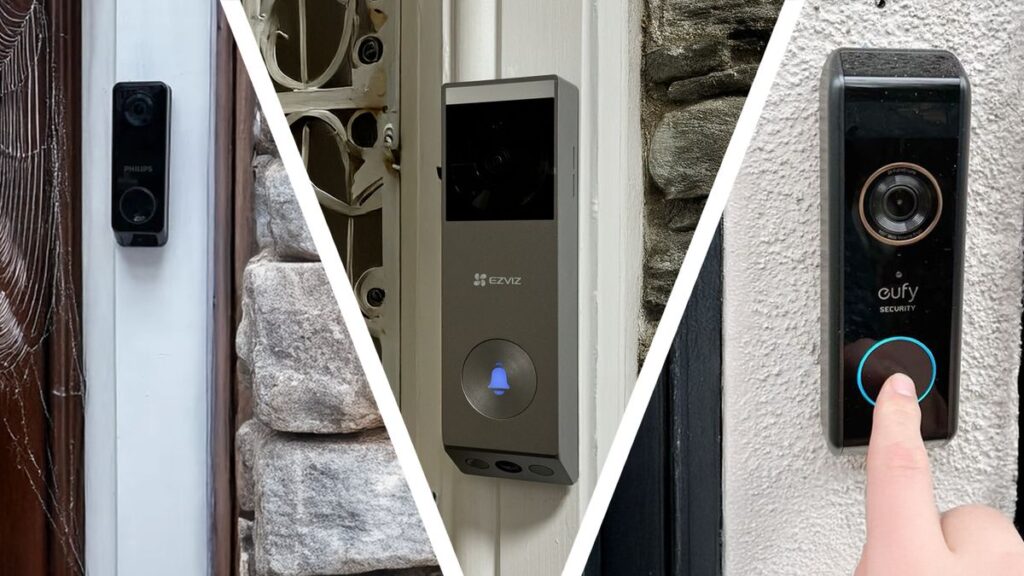
Doorbell buyers today split into two camps. One camp wants package alerts on a phone from anywhere in the world. The other camp wants a doorbell that simply works, records locally, and never asks for a monthly fee. Both are right, and both are shopping in the same aisle, which is exactly why this comparison is confusing. In our best smart video doorbells guide, we compared connected models against each other. Here we step back and compare smart doorbell vs traditional doorbell camera options, so you can pick the camp that fits your home.
Smart Doorbell vs Traditional Doorbell Camera: What’s the Real Difference?
The dividing line is not the camera. It’s the internet. A smart doorbell connects to your Wi-Fi, runs an app, and usually stores clips in the cloud. A traditional doorbell camera, by contrast, works through local wiring and local storage. It needs no subscription and no internet connection.
Two subcategories cover the traditional side. Classic video intercoms, like those from Aiphone, have connected front doors to indoor monitors for decades over simple wires. Modern IP door stations, such as DoorBird, keep the wired, local philosophy but add network features and app access without mandatory fees. Meanwhile, remember that wired smart doorbells exist too, and they still count as smart, since their alerts and history live in the cloud.
In other words, ask one question of every option: where does your footage go, and what happens when the internet goes down? That answer predicts most of the experience.
Smart Video Doorbells: The Connected Choice
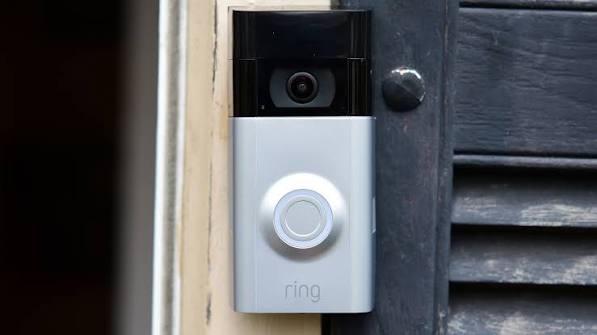
Smart doorbells, led by brands like Ring, Nest, and Eufy, turned the humble doorbell into a security device with an app. Ring pairs naturally with Alexa, Nest sits inside Google Home, and Eufy offers local-storage alternatives within the smart category.
- See and speak from anywhere. Live view, two-way talk, and package watch work from the app whether you’re at work or on vacation.
- Smart alerts. Person detection, package delivery alerts, and familiar-face alerts push useful clips to your phone instead of raw motion noise.
- Flexible installation. Battery models mount in minutes, while wired models draw power from your existing doorbell circuit.
- Ecosystem integration. A smart doorbell becomes one more tile in your Alexa, Google, or HomeKit dashboard.
What the connected route costs you:
- Subscription pressure. Video history and the smartest alerts usually sit behind a monthly plan.
- Internet dependency. When your Wi-Fi drops, so do alerts, history, and remote viewing.
- Cloud privacy trade-offs. Footage lives on company servers by default, and each brand has its own data policies.
- Faster obsolescence. Apps and services change, and a five-year-old smart doorbell may quietly lose features.
- Chime dependency. Battery models often need a separate chime or a smart speaker to ring inside the house.
Best for: travelers who want package alerts, renters who can’t rewire, and households already living inside one ecosystem.
Traditional Doorbell Cameras: The Local Choice
Traditional systems treat the doorbell as an appliance rather than a service. A hardwired video intercom from Aiphone connects a camera at your door to a monitor inside, over wires you control. A network door station from DoorBird does the same job with modern hardware, recording locally and offering app access without a subscription.
- No subscription, ever. Footage records to a monitor, a memory card, or your own network storage.
- Works when the internet doesn’t. A hardwired system keeps ringing and showing video through local wiring alone.
- Privacy by design. Your footage stays on your property, not on a company server.
- Built like hardware. Intercom-grade gear is designed to last a decade, not two years.
- Open standards on IP models. Many door stations record to your own network video recorder, which enthusiasts love.
- Entry control built in. Many intercoms release electric door strikes, and IP models pair with transponders or app-based unlock for gates and side doors.
What the local route costs you:
- Real installation. Wiring a video intercom is not a five-minute job, and retrofitting apartments can be genuinely difficult.
- Fewer consumer conveniences. Package detection, familiar faces, and polished app alerts are thinner or absent.
- Higher upfront cost. Commercial-grade hardware costs more at the register, even if it replaces years of subscription fees.
- Varied app quality. Traditional vendors treat the app as an accessory rather than the main product.
Best for: homeowners who value privacy, refuse monthly fees, and don’t mind a proper installation.
Video Quality and Features Compared
The cameras themselves are more alike than the marketing suggests.
- Smart extras. Package detection, geofencing, and rich clip libraries are smart-territory features.
- Recording depth. Cloud plans on smart doorbells store rolling history. Local systems record whatever your storage allows, often around the clock.
- Two-way audio. Both camps offer it, and quality depends on the hardware, not the category.
- Resolution and night vision. Comparable at similar price points, so don’t assume traditional means worse.
Test the field of view before buying, too. A wide lens catches packages at your feet, while a narrow one can miss them entirely.
In other words, the cameras are comparable; the services around them are not.
Side-by-Side Comparison
| Smart doorbell | Traditional doorbell camera | |
|---|---|---|
| Internet required | Yes, for most features | No |
| Monthly subscription | Typical for history | None |
| Installation | Battery: minutes; wired: basic | Wired, often professional-grade |
| Footage location | Cloud, mostly | Local monitor, memory card, or NVR |
| Smart alerts | Person, package, face | Basic or none |
| Works during an outage | Limited | Fully, when hardwired |
| Best fit | Connected households | Privacy-focused owners |
Wired Smart Doorbells: The Middle Ground
Don’t confuse wiring with tradition. A wired smart doorbell keeps its power constant and skips battery charging, but its alerts and history still depend on the cloud. Therefore, use two questions instead of one: where does the power come from, and where does the footage go? Only the second question separates smart from traditional.
One practical warning while you’re here: doorbell transformers in older homes were sized for a simple chime, not for a camera. Therefore, check the transformer’s power rating before installing a wired smart doorbell, since an upgrade is sometimes part of the job.
The Cost Over Five Years
Money decides many of these debates, so let’s follow it over five years. A smart doorbell typically costs less at the register, then adds a subscription for history and smart alerts. That monthly fee compounds quietly, and over a few years it can approach or exceed the price of the hardware itself. In contrast, a traditional system costs more upfront and almost nothing afterward, since there are no services to renew.
Batteries and accessories add a small layer to both camps. Meanwhile, a traditional system’s wiring may need a professional for installation, which is a one-time cost that subscription owners never see.
There is also a longevity angle. A five-year-old traditional intercom is still an intercom. A five-year-old smart doorbell may be running on borrowed time if its vendor changes plans, discontinues the app, or raises prices. Therefore, factor the vendor’s track record into your decision, not just the first-year price.
In other words, the traditional option front-loads its cost, while the smart option spreads it forever.
Privacy and Reliability: The Offline Advantage
Privacy is where the two camps diverge most sharply. A traditional system keeps recordings inside your home, which makes footage theft, account breaches, and data policy changes non-issues. A smart doorbell stores clips on company servers, so its security depends on the vendor’s practices as much as your own. If you do choose a connected model, apply the basics from the FTC’s guidance on securing internet-connected devices at home. Use strong passwords, two-factor authentication, and regular firmware updates.
Reliability follows the same pattern. Most wired smart doorbells still ring your existing chime, so the basic function survives an outage. Everything else, from alerts to recorded history, waits for the internet. A hardwired traditional system, meanwhile, keeps its full local features running through the same outage.
How to Choose in Five Questions
- Where will the power come from? Battery, existing wiring, or a fresh cable run.
- Who needs the alerts? Just the household, or family members in other cities?
- Is a monthly fee acceptable? Multiply it over five years before answering.
- What happens during outages? Decide how much downtime you tolerate.
- Who should own the footage? You, or the vendor?
Answer those five, and the right camp usually announces itself. Notice what’s missing from that list: brand loyalty and sticker price. Both matter less than the wiring reality of your home and the privacy stance you can live with.
Our Recommendation by Situation
- Renting, want alerts without wiring → a battery-powered smart doorbell.
- Privacy-first, subscriptions refused → a local IP door station like DoorBird, or a wired intercom.
- Frequent traveler, package theft worries → a smart doorbell with a subscription, for clips and alerts.
- Deep in Alexa or Google Home → a smart doorbell from the matching ecosystem.
- Running your own NVR or Home Assistant → an IP door station with open standards, feeding your own storage.
- Old home, new wiring planned anyway → a wired traditional system, since the hard part is already happening.
Final Thoughts
The smart doorbell vs traditional doorbell camera decision comes down to one question: do you want a service, or an appliance? A smart doorbell is a service you rent, with conveniences that improve monthly and depend on the internet. A traditional doorbell camera is an appliance you own, with fewer tricks and total control. Neither choice is wrong, and many households end up somewhere in the middle. Therefore, answer the five questions above honestly, and the category will pick itself. Then enjoy the real prize, which is never wondering who rang the bell again. Whichever route you take, test the audio quality before you commit, since voice decides whether a doorbell system actually gets used.
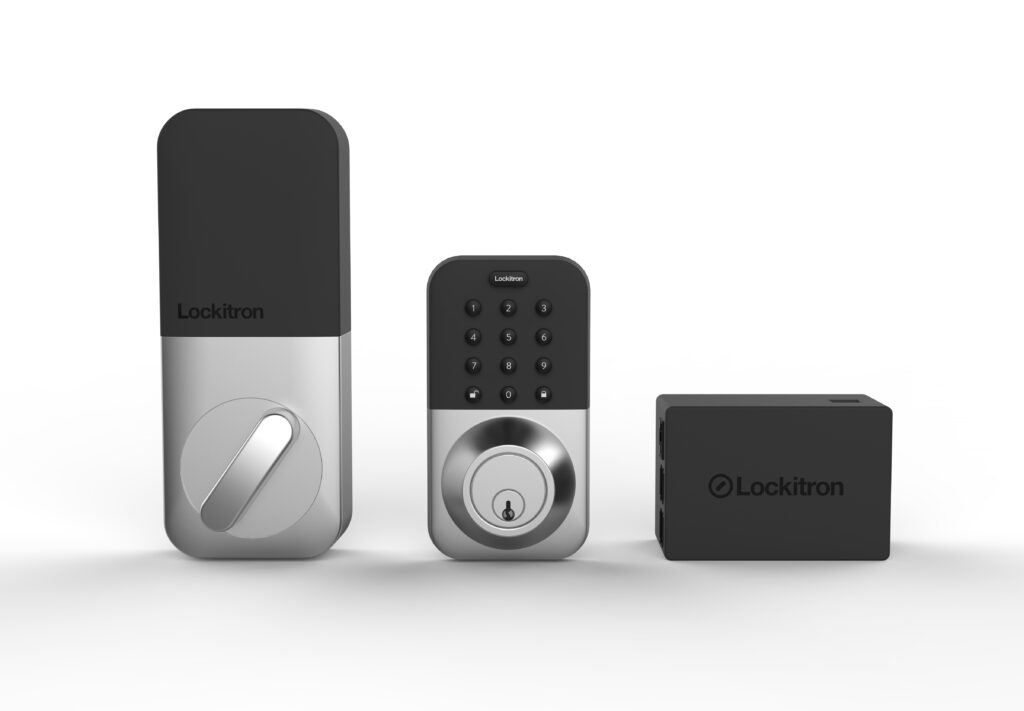
Your doorbell decides who gets announced. Your lock decides who gets in. See our best smart locks for front doors guide to finish the front door.